
rapid prototyping
hold your product before you pay for a mould.
Our in-house facility, equipped with advanced 3D printers and operated by trained industrial designers, provides precise rapid prototyping services to meet your needs efficiently and effectively.
prototype types, one studio
products taken to market
vendor queues to wait in
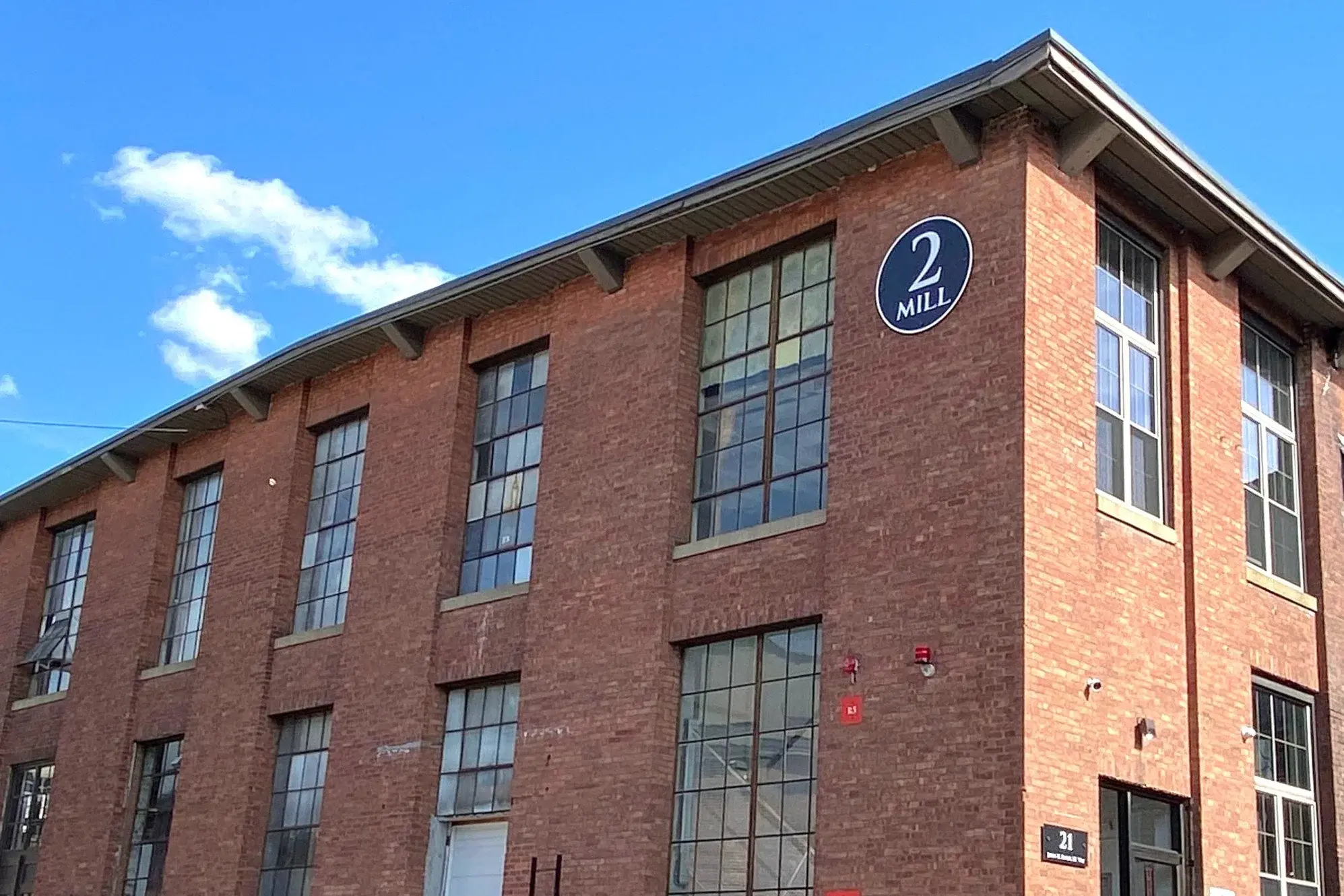 OUR FACILITYSaxonville Mills, Framingham, MA
what is rapid prototyping, and why does it matter?
Rapid prototyping is the process of turning a design into a physical object quickly, so it can be handled, tested, and changed before any production tooling is paid for. It matters because of the arithmetic. Revising a 3D print costs very little. Recutting a steel mould after production has begun costs thousands, and weeks.
As an A to Z product development company, we provide rapid prototyping with in-house 3D printing, which is why the loop is fast: design, print, test, change, print again. Along the way a prototype does a second job that inventors often underestimate. It is the thing you put in front of retail buyers, investors, and licensing partners while production is still months away.
which prototype do you actually need?
Three types, three different jobs. Pick the question you are trying to answer and we will show you the prototype that answers it.
you need a proof of concept.
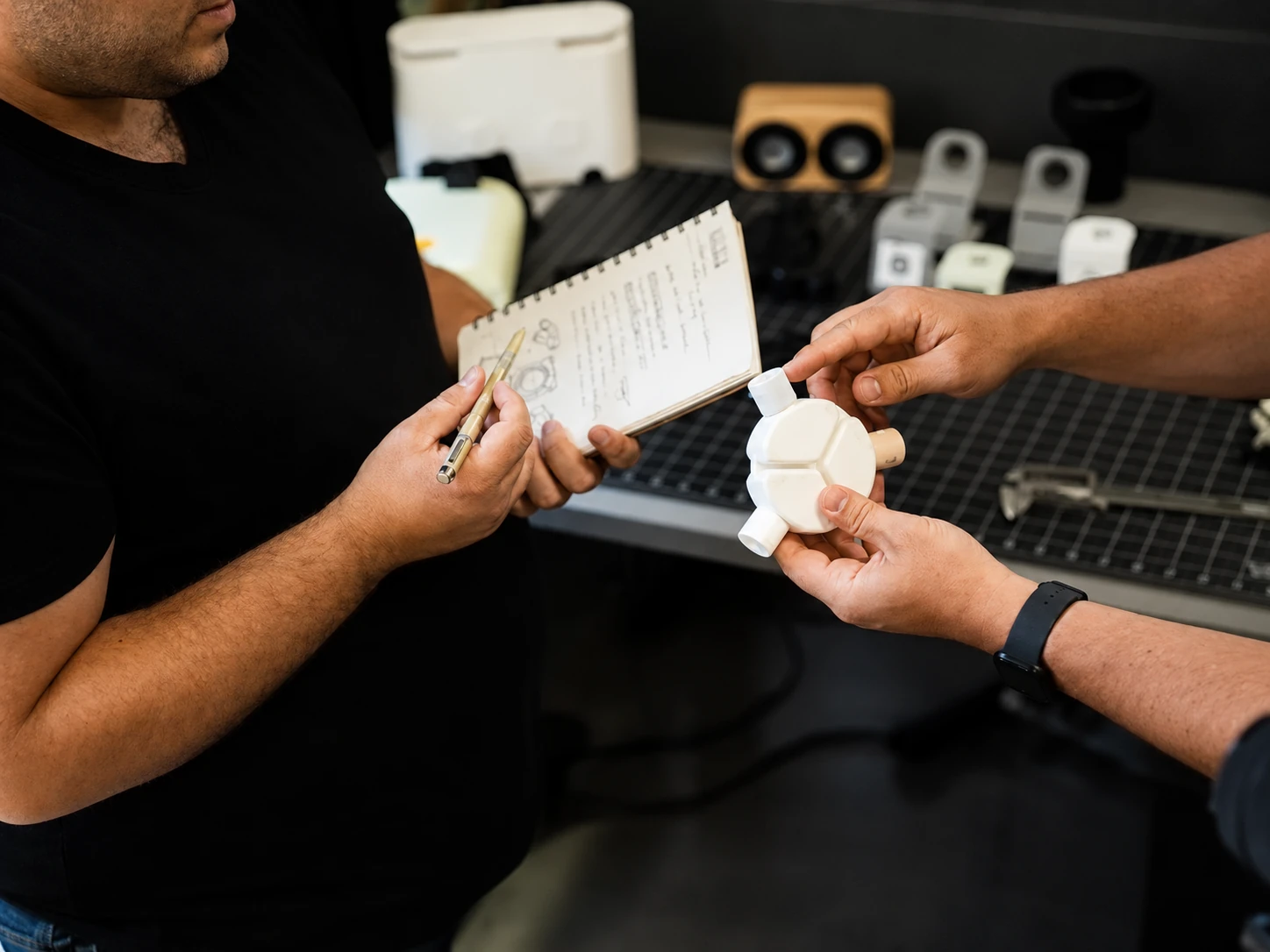
proof of concept.
Proof-of-concept (PoC) prototypes validate ideas and test feasibility early in development. They demonstrate concepts to stakeholders, aid decision-making, and test assumptions with minimal risk before moving to later stages.
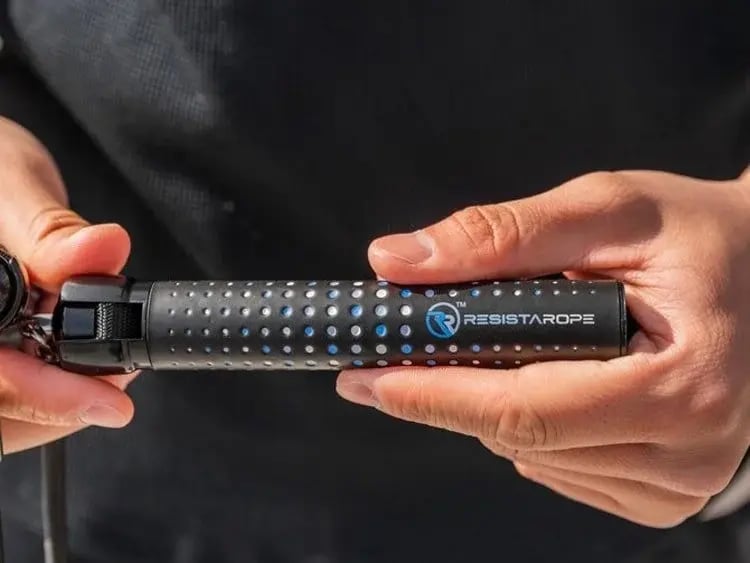
looks-like prototype.
Looks-like prototypes focus on visual appearance and user interaction to validate ergonomics and user experience. The process evolves from sketches and simple models to CAD and physical prototypes, with final iterations matching the product’s colors, materials, and finishes.
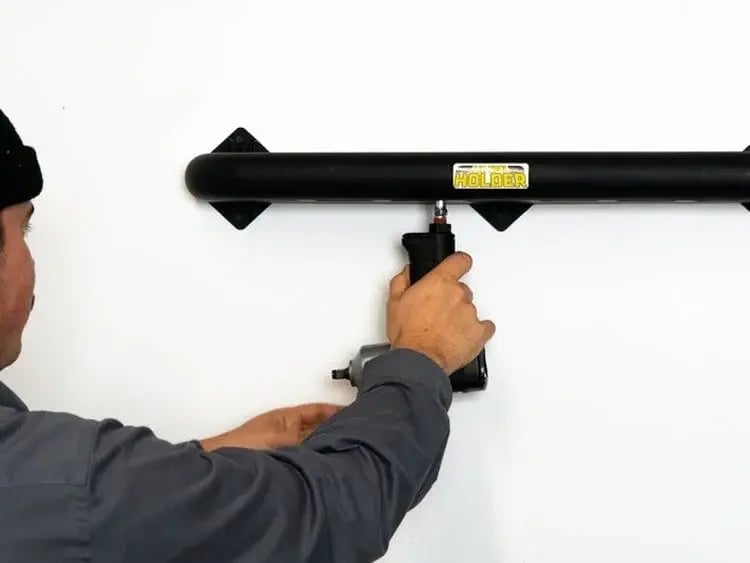
works-like prototype.
Works-like, or engineering, prototypes are early versions of a product that focus on testing and refining its core functions and technologies. These prototypes may not look like the final product but include essential mechanical and/or electrical systems that need validation.
the loop is only as fast as the queue.
Send a part to an outside print bureau and every change costs days of waiting. When the printers sit in the same building as the designers who drew the file, a change made in the morning is in your hand the same week.
Designers running the machines
Our facility is operated by trained industrial designers, not a print desk, so a failed part comes back with an explanation and a fix.
Iterate while it is cheap
Every round of testing answers a question. Finding the flaw in a print beats finding it in tooling, by orders of magnitude.
Straight into production
Prototyping sits beside our manufacturing team, so what a prototype proves feeds directly into tooling and unit cost.
prototyping is stage two of five.
rapid prototyping, answered.
what is rapid prototyping?
Rapid prototyping is the process of turning a design into a physical object quickly, usually with 3D printing and machining, so it can be tested and changed before any production tooling is paid for. At 52 Launch it happens in our own facility in Framingham, MA, equipped with advanced 3D printers and operated by trained industrial designers.
what is the difference between a looks-like and a works-like prototype?
A looks-like prototype validates appearance, ergonomics, and user experience, with final iterations matching the product’s colors, materials, and finishes. A works-like prototype validates function, containing the essential mechanical or electrical systems even if it does not resemble the finished product. Some products need both, and they are often built in parallel.
why prototype before manufacturing?
Because changing a printed part costs a fraction of changing a mould. Prototyping catches ergonomic problems, assembly issues, and mechanisms that do not survive real use while the design can still move. It also gives you something physical to put in front of buyers, investors, and licensing partners months before production.
do you build prototypes in house?
Yes. Our in-house facility is equipped with advanced 3D printers and operated by trained industrial designers, which is what makes the iteration loop fast. Nothing sits in a vendor queue waiting for a slot.
do I need a CAD file to get a prototype made?
Not necessarily. If you have CAD, we can print from it. If you do not, our design service takes your concept through sketching, rendering, and CAD first, and prototyping continues straight from there with the same team.
how many prototype iterations will my product need?
It depends entirely on how many unknowns the product carries. A simple housewares item may take a couple of rounds. Something with a mechanism or electronics takes more, because each iteration is answering a different question. Scope is agreed in your consultation.
can a prototype be used to sell or pitch my product?
Yes, and this is one of the most valuable uses. A looks-like prototype matching final colors and finishes is what you show a retail buyer, an investor, or a licensing partner while production is still months away.