
design
product design that a factory can actually build.
Our team works closely with each client to ensure your vision comes to fruition while elevating your product functionality and aesthetics. Six stages, from the first sketch to the box it ships in, all under one roof in Framingham, MA.
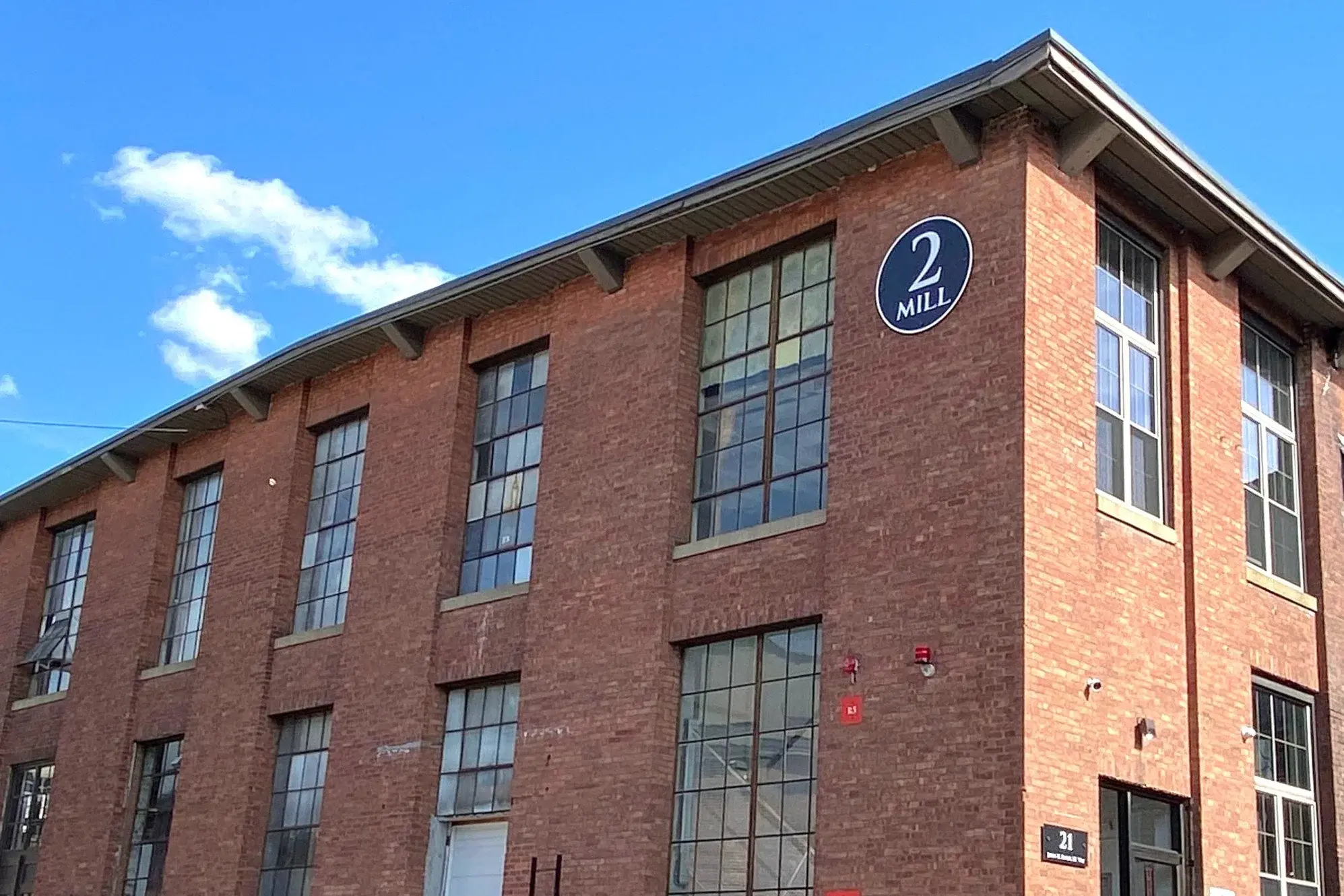 ALL UNDER ONE ROOFSaxonville Mills, Framingham, MA
what does a product design service actually do?
Product design turns an idea into something that can be made. It is not styling applied at the end. Strategic design is essential to the custom product development process, because the decisions taken at sketch stage determine what the product costs to produce, whether a factory can assemble it, and whether a customer picks it up off a shelf.
At 52 Launch that work runs through six stages: sketching and ideation, photorealistic rendering, CAD modelling, rapid prototypes, design for manufacturability, and product packaging design. Each one ends with something real, and each one is handled by the same team, in the same building as the prototyping equipment and the people who manage production. You are never handing a file to a stranger and hoping.
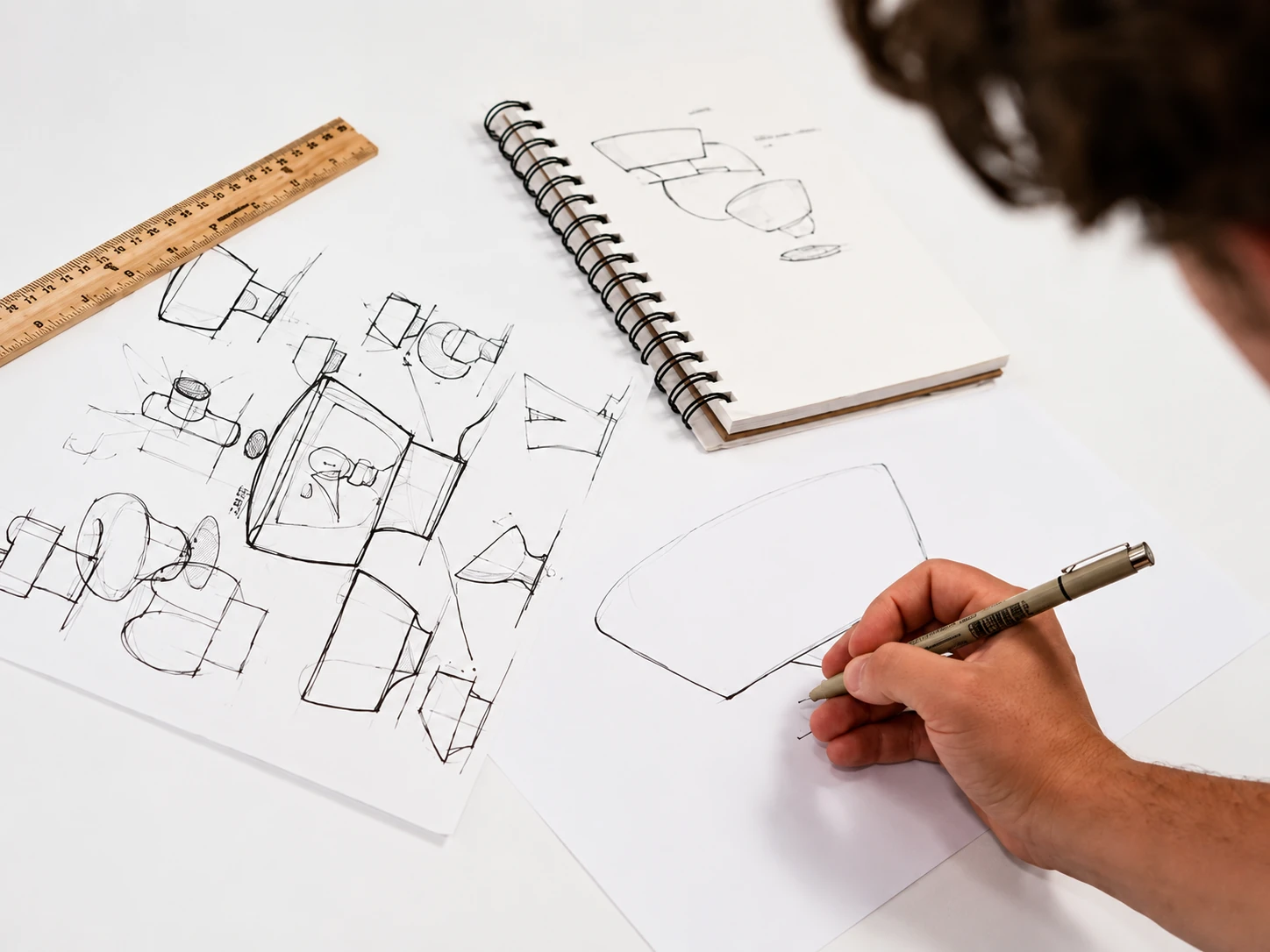
sketching and ideation.
After absorbing your concept and conducting thorough research, our team begins the process of idea generation and development. During this phase, we focus on functionality, feature development, and the aesthetic of your product. Sketching plays a crucial role as your idea really starts to take shape, evolving from initial concepts into detailed designs.
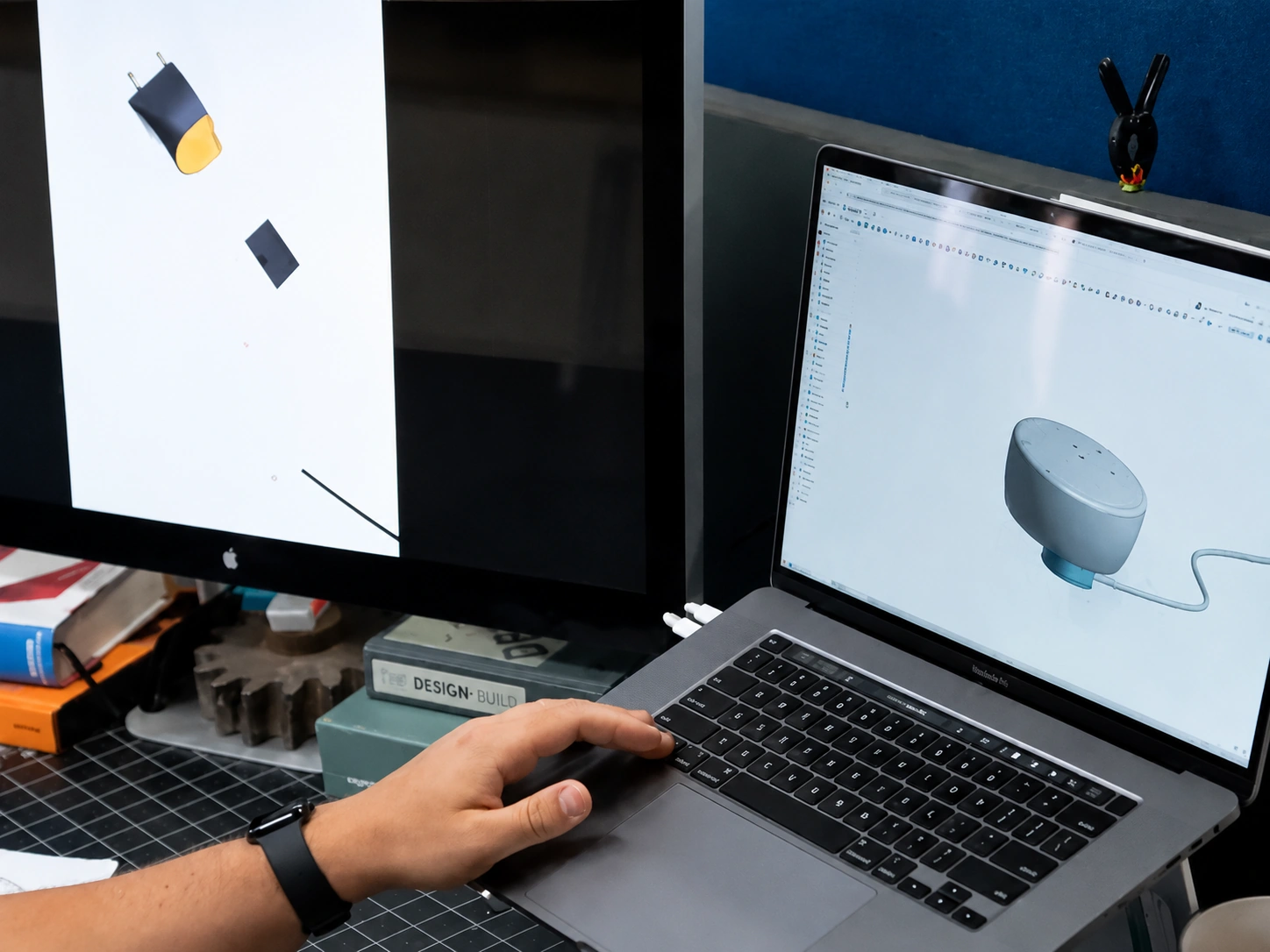
rendering.
Once a sketch is approved, we finalize your initial design using digital programs. This phase involves creating photorealistic visualizations of the product, allowing you to see it in high fidelity before any physical prototypes are made. This detailed rendering ensures that every aspect of the design is clearly represented and ready for the next stages of development.
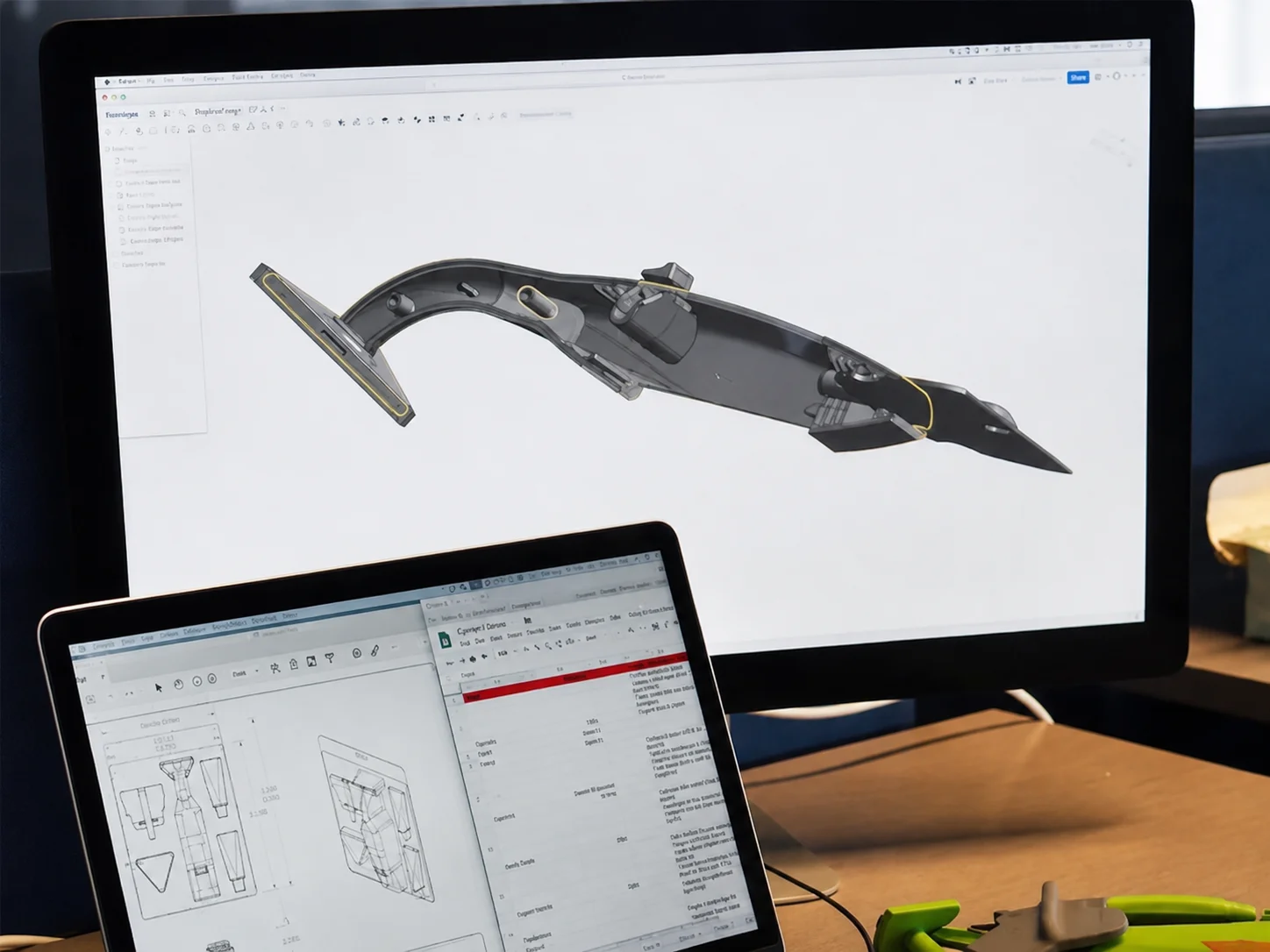
cad models.
After fine-tuning your 2D sketch, our team creates a computer-aided design (CAD) model of your product, delivering a polished 3D design. This process is conducted with manufacturing in mind, ensuring that the design is not only visually appealing but also optimized for efficient production.
rapid prototypes.
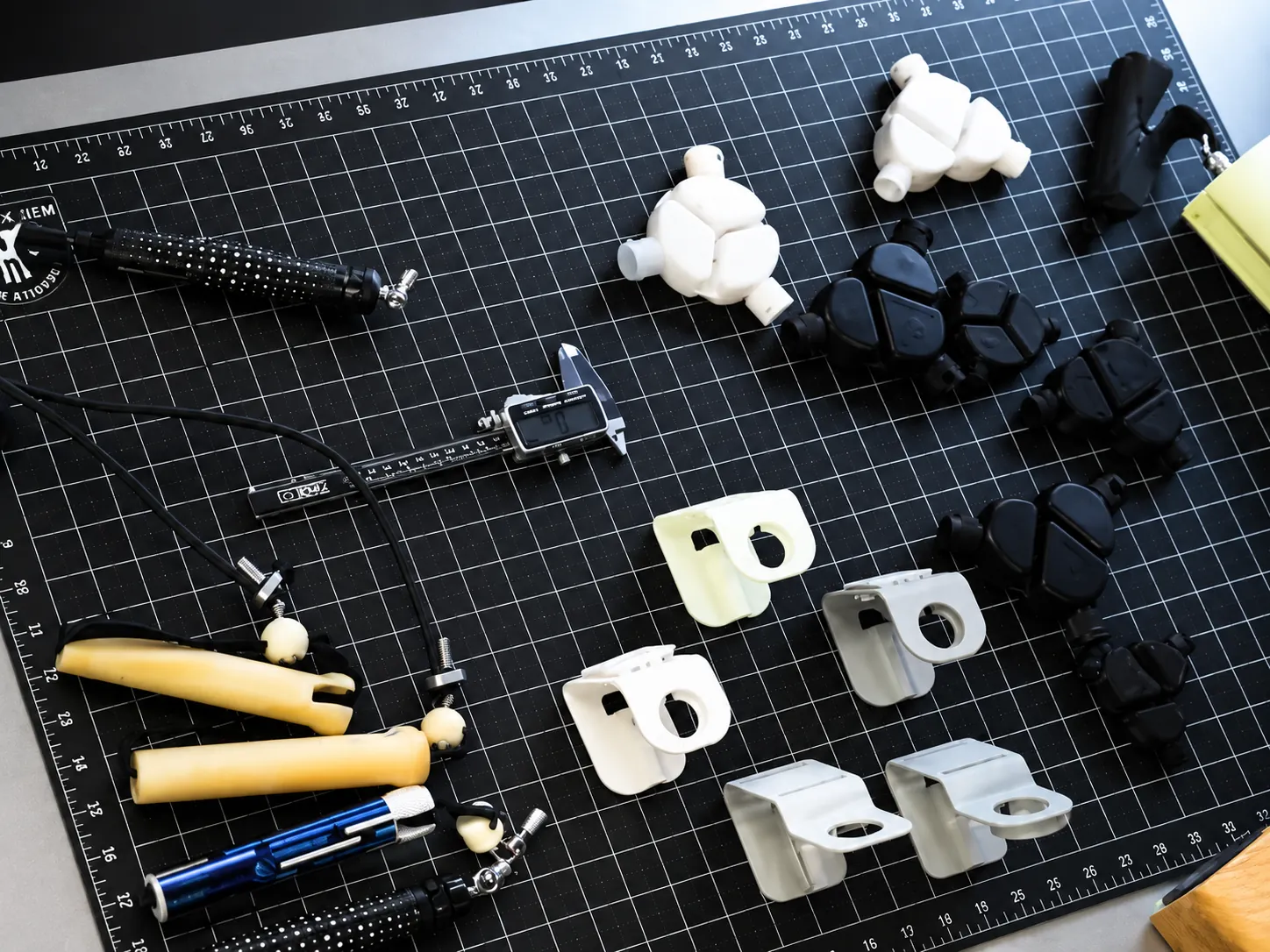
Our in-house 3D printers and rapid prototyping process save you time and money by allowing us to quickly iterate and make necessary adjustments before manufacturing. This process keeps form and function in mind, also enabling our team to refine the ergonomics and feel of your product. Up until this step, everything has been in the computer, but now, we can bring your product to life and make tangible adjustments quickly and efficiently.
design for manufacturability.
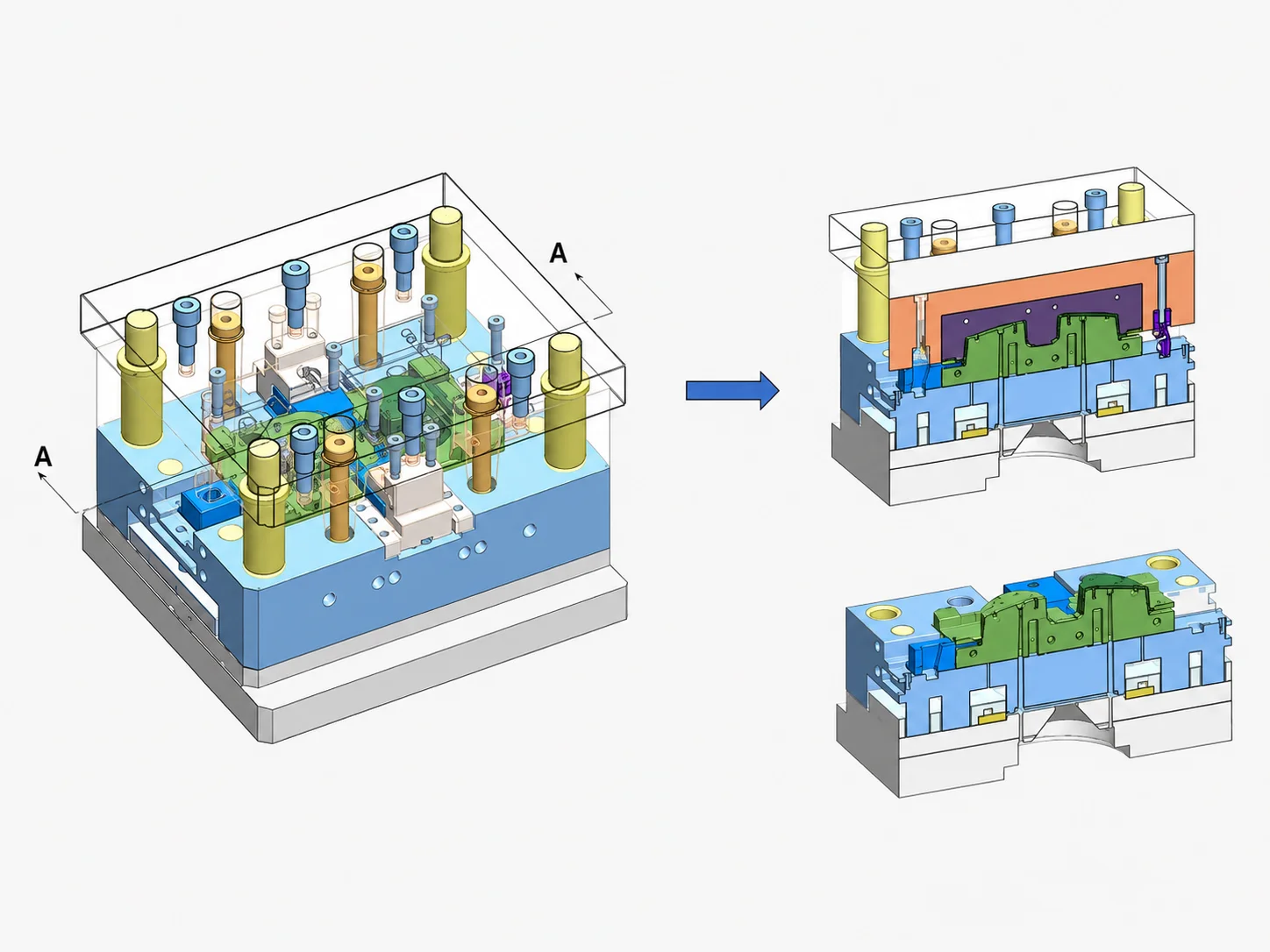
Your idea continues to evolve through our Design for Manufacturability (DFM) process. Every design is created with manufacturability in mind to lower production costs, increase efficiency, and yield a high-quality product. Our goal is to create a design that meets the manufacturer’s needs while maintaining the integrity and essence of your product, ultimately ensuring a seamless and cost-effective production process.
product packaging design.
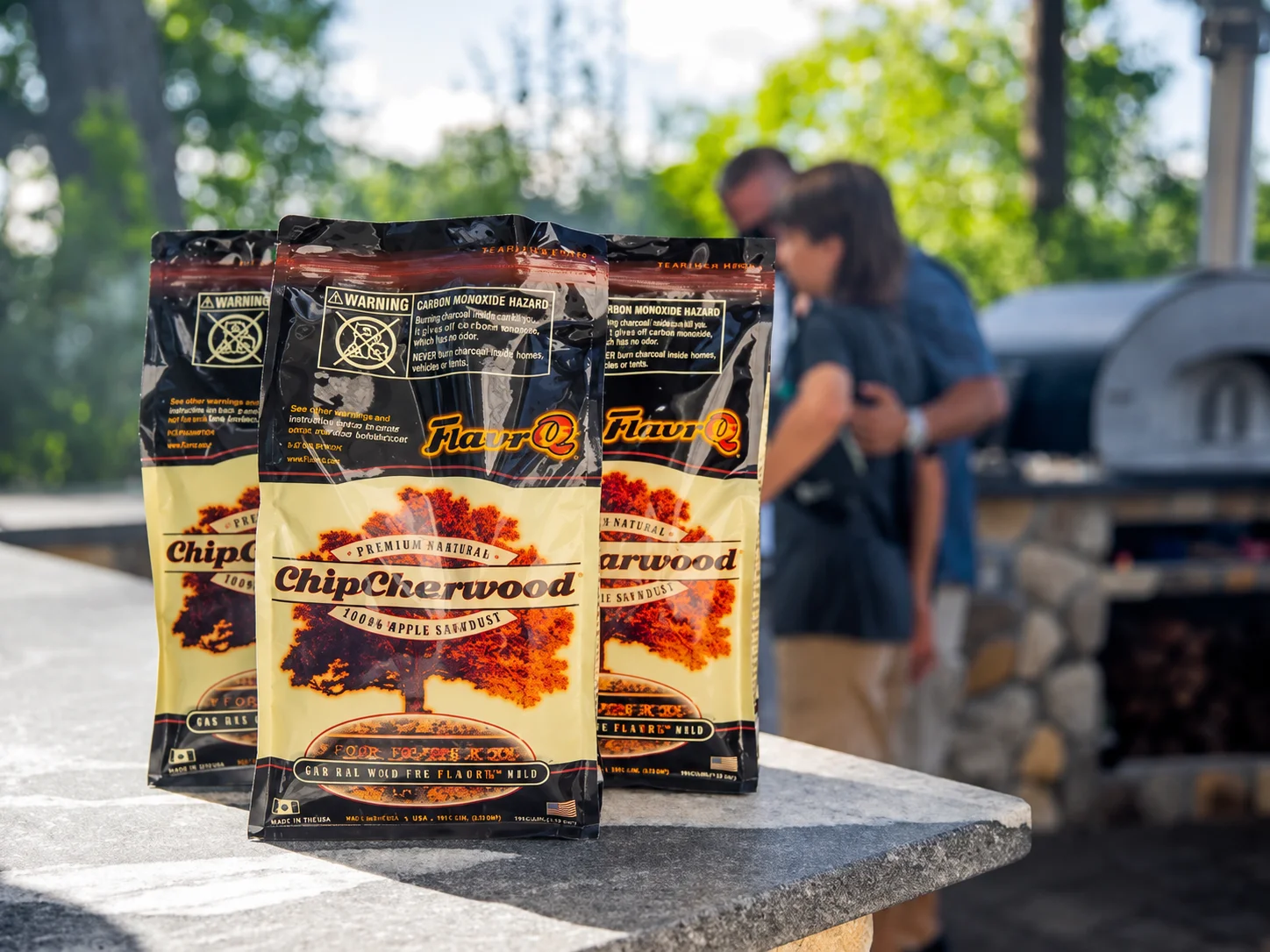
At this stage, our design team collaborates with our creative team to design uniquely branded custom product packaging that showcases your product’s features and benefits. We explore options that not only look great and serve the required function for your product but also enhance the unboxing experience. Should your product go to retail, we ensure the packaging is striking and eye-catching on the shelf, while also being efficient for shipping.
a design that cannot be made is not a design.
Plenty of firms will sell you a beautiful rendering. The difference shows up months later, when a factory quotes the part and the numbers do not work, or a mould has to be recut because nobody checked the draft angles.
Cost decided early
Materials, tolerances, and assembly are considered from the first sketch, while changing them is still cheap.
Prototypes in the building
In-house 3D printers mean form, function, and ergonomics get tested physically rather than argued about on screen.
Your files, your product
The CAD models, renderings, and packaging artwork are yours, so you are never tied to one supplier to keep producing.
design is stage one of five.
product design, answered.
what does product design include?
At 52 Launch, product design covers six stages: sketching and ideation, photorealistic rendering, CAD modelling, rapid prototyping, design for manufacturability, and product packaging design. Every stage is handled by the same team in our Framingham, MA studio.
what is design for manufacturability?
Design for manufacturability, or DFM, means engineering a product so it can actually be produced at a sensible cost. It covers material choice, wall thickness, draft angles, tolerances, and assembly. The goal is to lower production costs and raise quality while keeping the integrity and essence of your product intact.
do I need a CAD file or drawing before starting?
No. Most clients arrive with a sketch, a description, or just a problem they want solved. The sketching and ideation stage exists precisely to turn that into something a designer and a factory can work from.
who owns the design files?
You do. The CAD models, renderings, and packaging artwork produced for your product are yours, which means you are never locked into a single supplier to keep making it.
how many design revisions are included?
Design is iterative by nature. Sketches are refined before rendering, renderings before CAD, and prototypes drive further change. Scope and the number of review rounds are agreed in your consultation so nothing is open-ended.
can you design packaging as well as the product?
Yes. Our design team works with our creative team on custom branded packaging that showcases the product, improves the unboxing experience, stands out on a retail shelf, and ships efficiently.
what happens after the design is finished?
Design flows straight into prototyping and manufacturing with the same team. Because those stages sit under one roof in Framingham, a design decision can be checked against real tooling and unit cost before anyone commits to production.