
manufacturing
the stage where most first-time inventors get burned.
In collaboration with our carefully curated network of manufacturers, we deliver quality products that can be manufactured at a reasonable price. Tooling, samples, quality assurance, production, and shipping, all managed by people who have done it dozens of times.
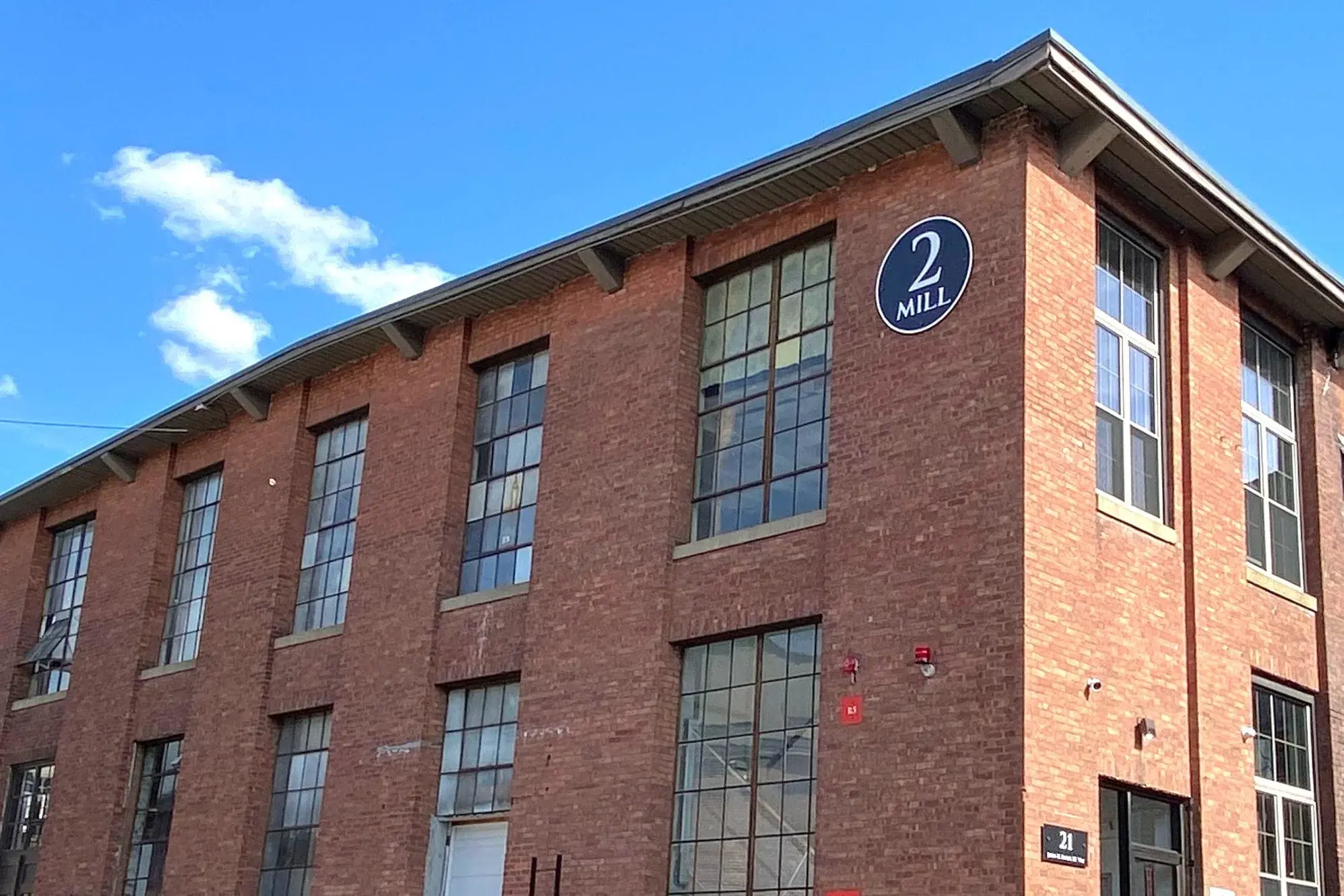 END TO ENDManaged from Framingham, MA
what does manufacturing management involve?
Manufacturing is where a design stops being a file and becomes inventory you can sell. It covers compiling the technical package a factory builds from, commissioning the custom tooling that produces your specific part, approving a production sample, inspecting quality at the factory, placing the production order, and moving the goods through customs to a fulfillment center.
It is also the stage with the most expensive mistakes. A tooling error found after the mold is cut, a minimum order quantity that ties up capital in unsellable stock, a shipping code entered wrong at customs. None of these are obvious to someone doing it for the first time, and all of them are routine to someone who has managed it across dozens of products. That is the entire argument for having a partner here.
technical design package.
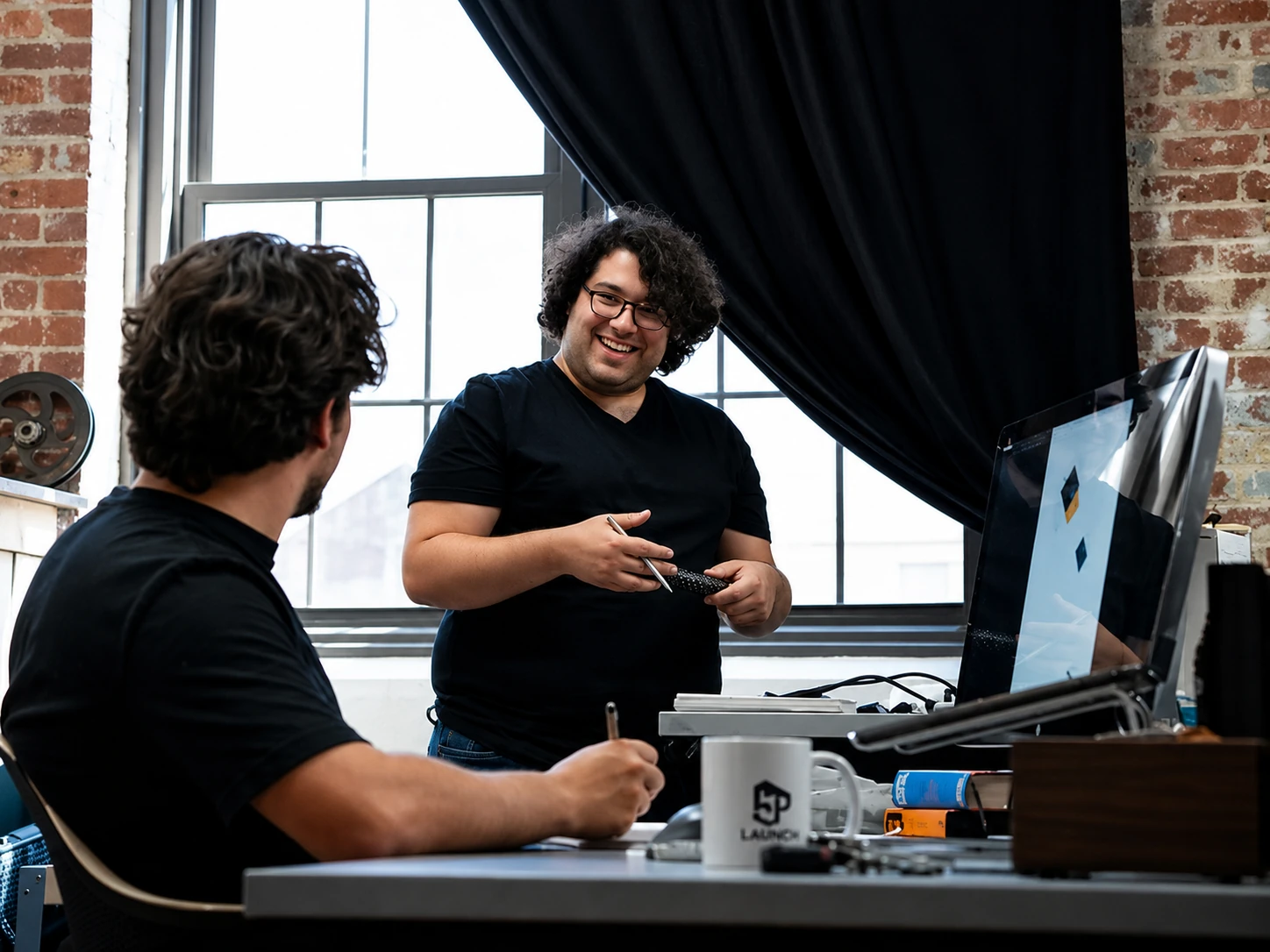
We compile a detailed technical package that includes specifications, 3D designs, layouts, and production instructions. This package serves as a comprehensive blueprint for manufacturers, guiding them in producing your product accurately and effectively.
custom tooling.
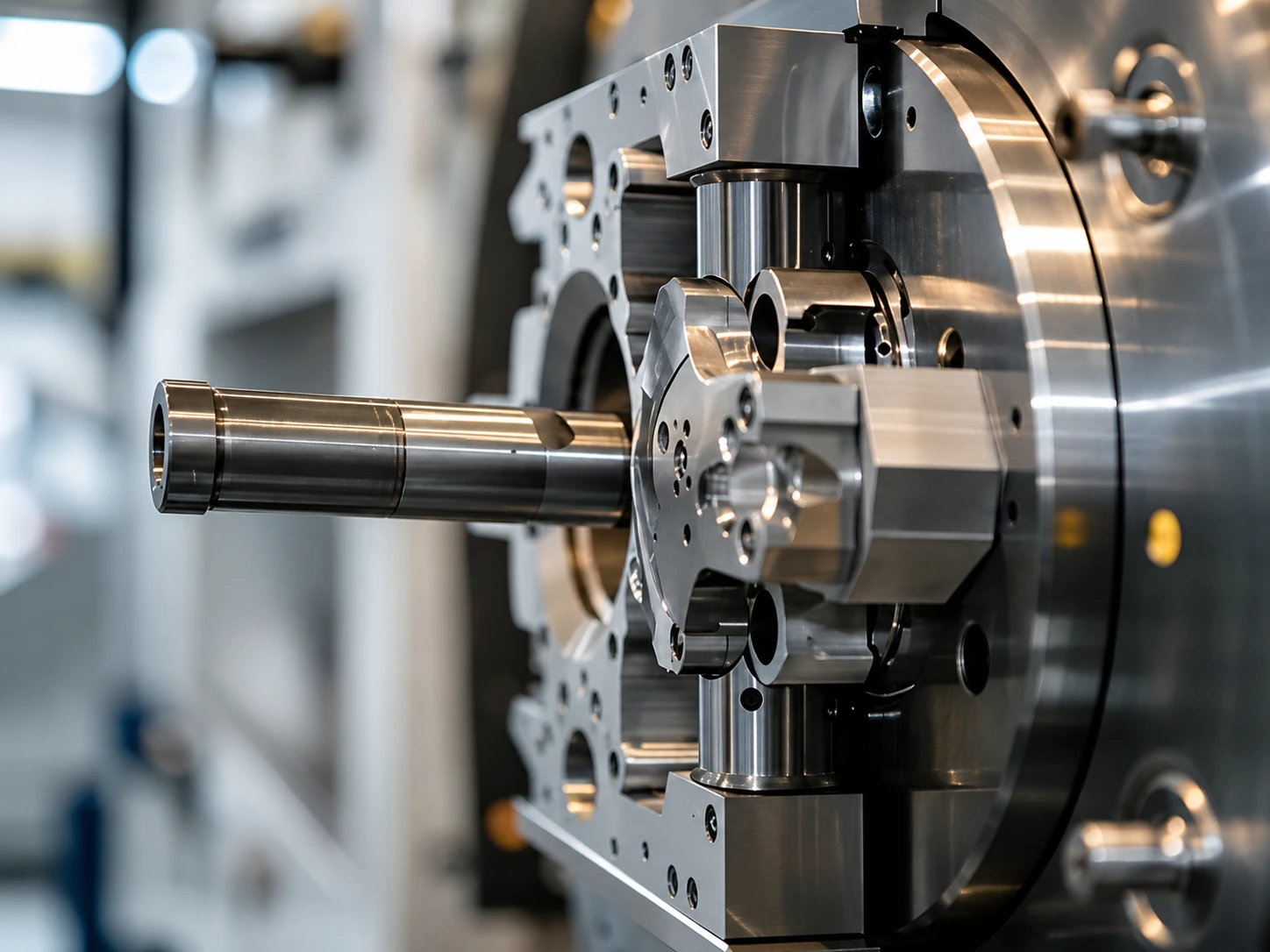
Custom toolings, such as molds, jigs, and fixtures, are often needed to produce your one-of-a-kind product. Our design team works closely with the supplier to ensure your tooling is created accurately and ready for manufacturing.
prototype and product samples.
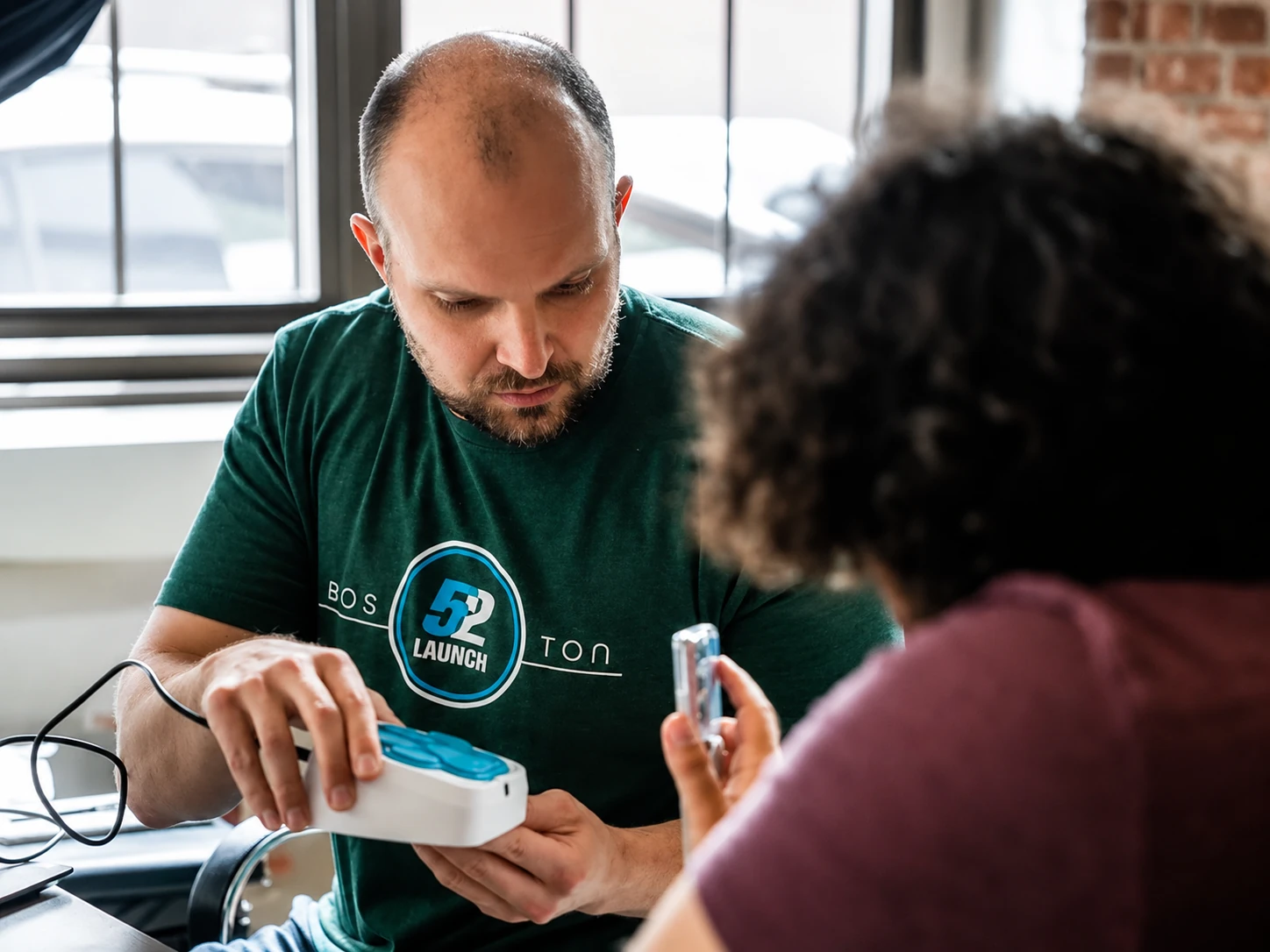
After selecting a manufacturer, we may commission an additional prototype to perfect the design and improve manufacturing efficiency. Before full-scale production, you will receive a functional product sample to ensure it meets your expectations.
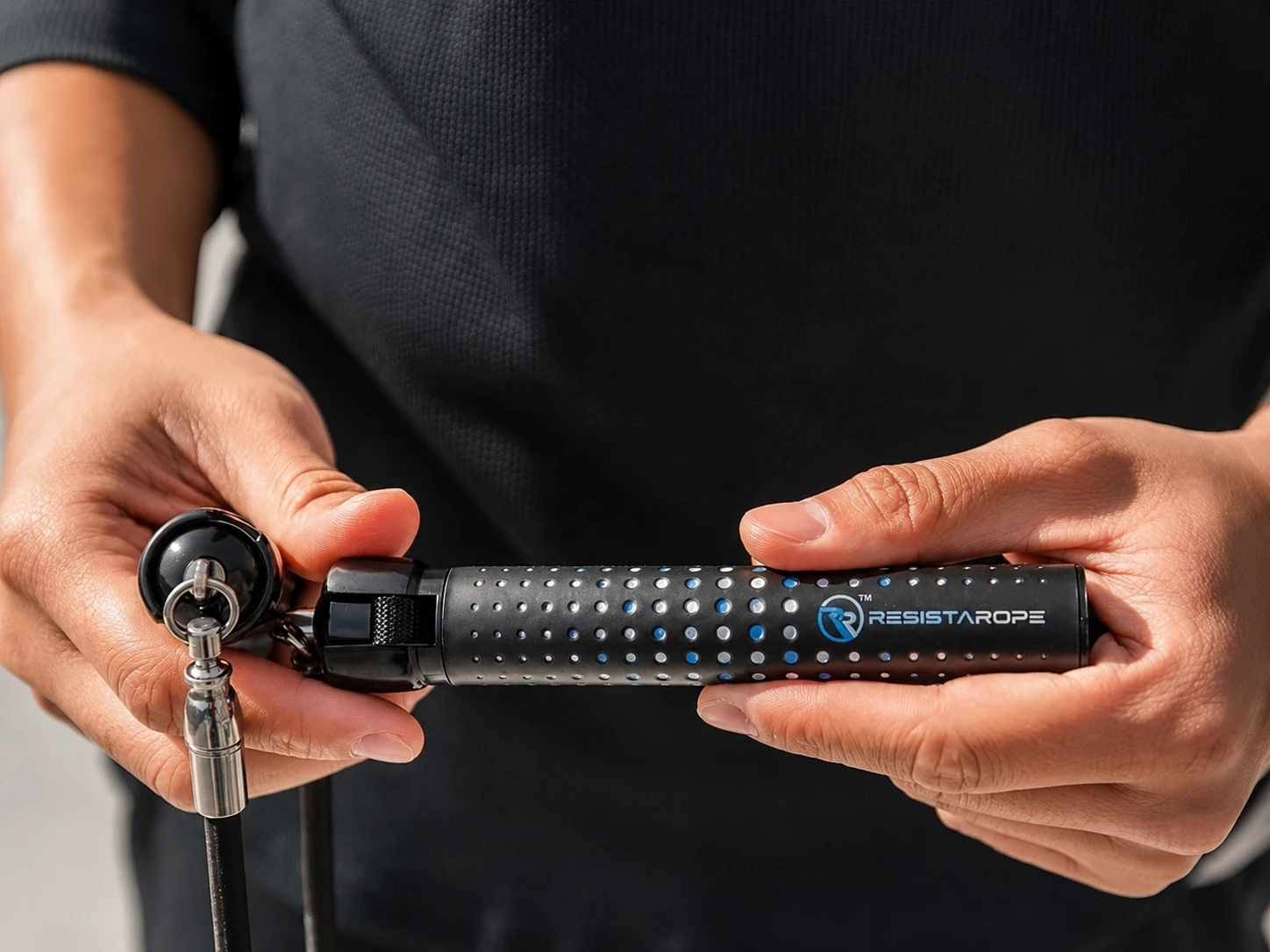
quality assurance.
We conduct quality checks at the manufacturer’s site, including inspections of materials, production, and finished products. A third-party team reviews random units and provides a report, ensuring the product meets our high standards before shipping.
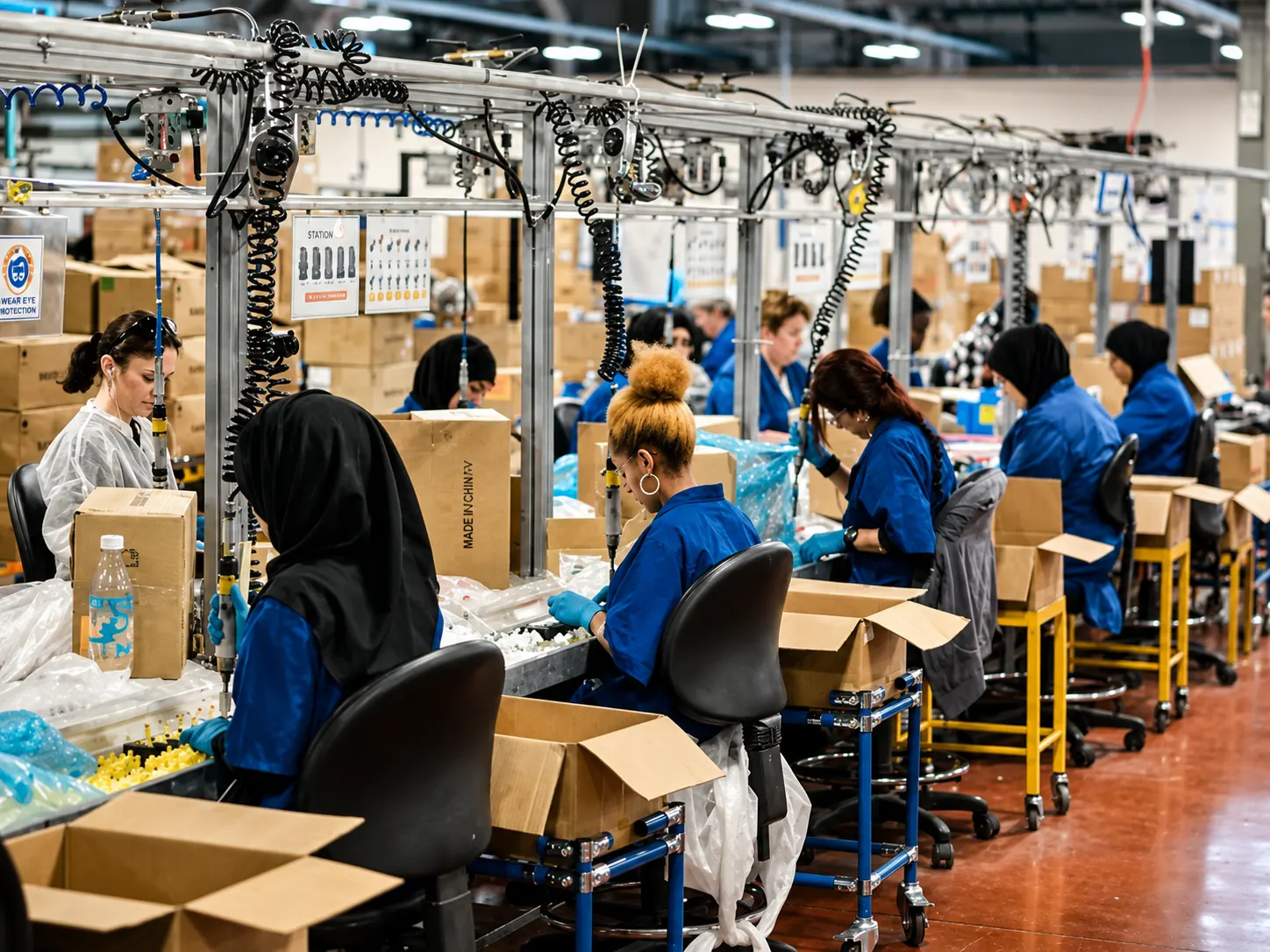
mass production.
Once your sample is fully approved, you will evaluate factors such as quantity, cost, and lead time to place your initial production order. This step is crucial for creating inventory that enables selling at scale and driving sales through efficient production processes and higher volumes.
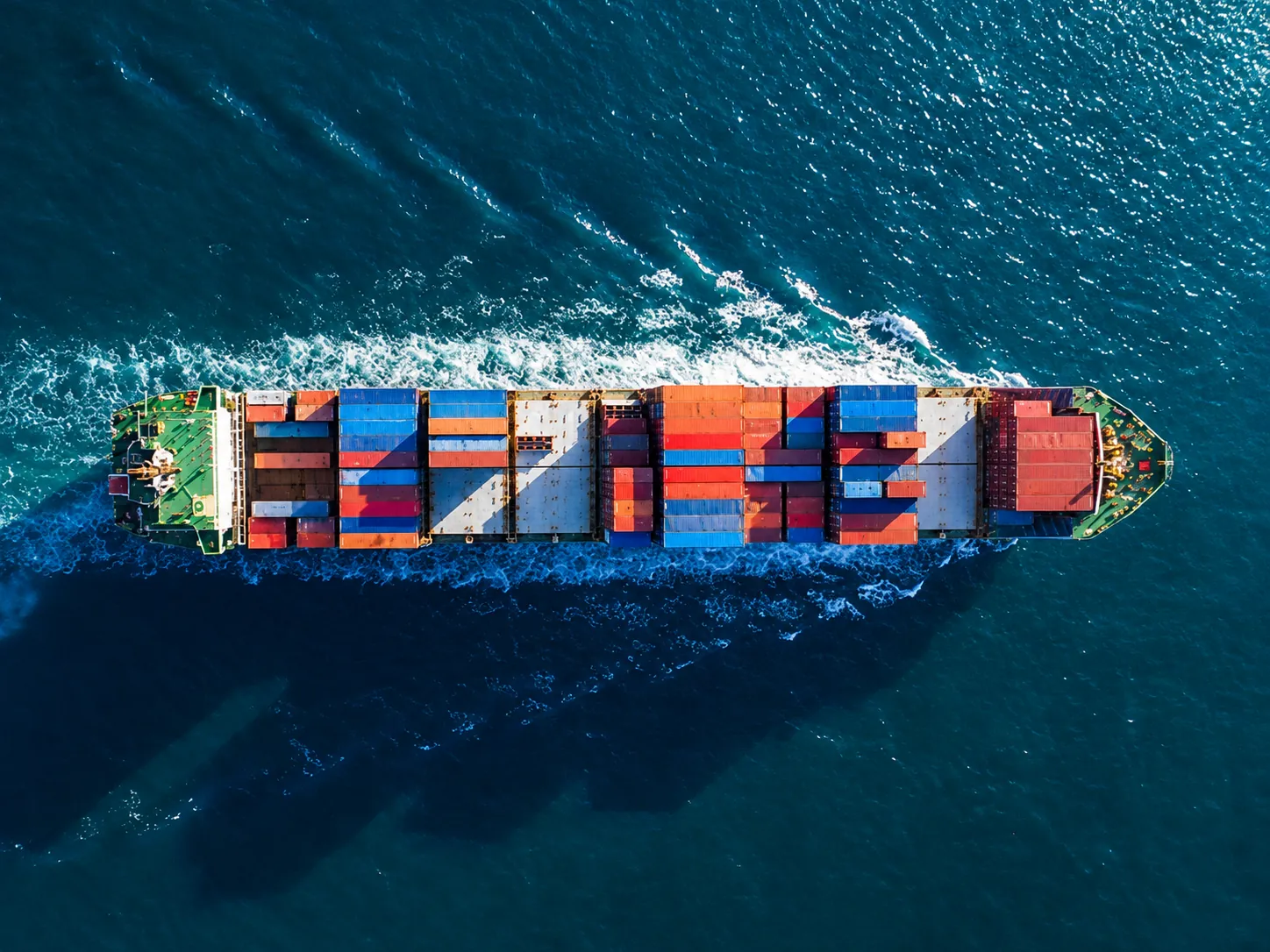
fulfillment and logistics.
We oversee the entire shipping process from the manufacturer to the fulfillment center, managing customs, import requirements, and logistics. Our meticulous approach ensures accurate shipping codes and smooth operations, preventing issues and providing seamless distribution for our clients.
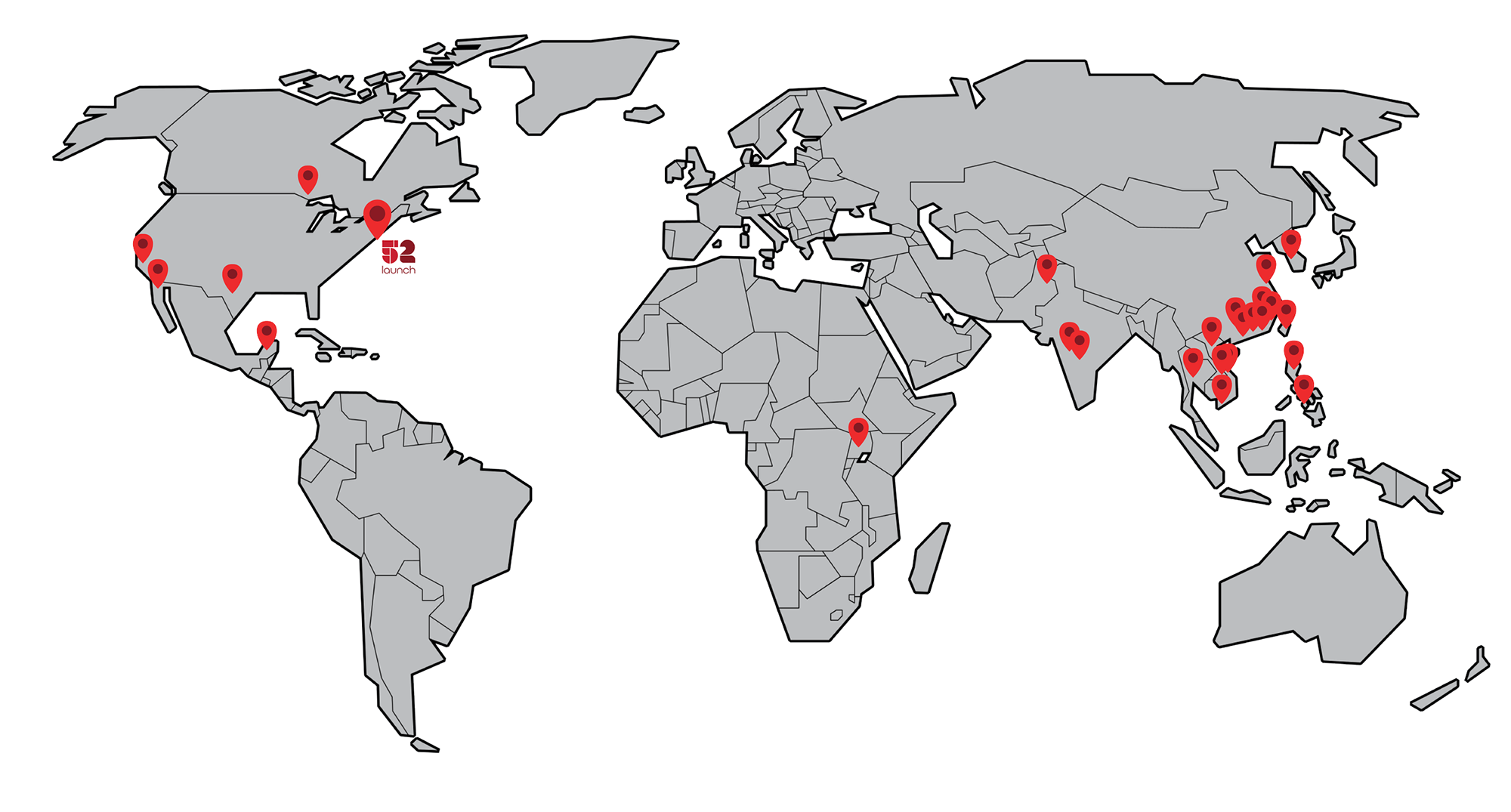
a curated network, not a directory.
Our current network of manufacturers has been built over years and dozens of launched products. Rather than sending your design out to bid blindly, we match your product to suppliers with a real track record in that material, process, and category.
That relationship matters when something goes wrong, which on a first production run it occasionally does. A supplier who values an ongoing relationship fixes problems differently to one handling a single anonymous order.
the expensive mistakes happen here.
Design errors cost hundreds to fix. Manufacturing errors cost tens of thousands, and they are usually discovered after the money is spent. These are the three that catch people most often.
Tooling cut too early
A mold is machined from hardened steel for your part alone. Changing it after the fact often means cutting a new one, which is why the design is checked hard before anything is committed.
Minimum order quantities
A low unit price is no help if it requires ordering ten times more inventory than you can realistically sell. MOQs belong in the conversation early, not after a quote arrives.
Customs and shipping codes
An incorrect classification code can hold a container, add unexpected duty, or trigger a penalty. We manage the codes and the customs process rather than leaving it to a first-time importer.
manufacturing is stage three of five.
manufacturing, answered.
what does a manufacturing partner actually do?
A manufacturing partner takes a finished design and turns it into sellable inventory. At 52Launch that means compiling the technical design package, commissioning custom tooling such as molds and jigs, approving production samples, running quality assurance at the factory, placing the production order, and managing shipping and customs through to your fulfillment center.
how do you find the right manufacturer for my product?
We work through a carefully curated network of manufacturers built over years and dozens of launched products. Rather than sending your design out to bid blindly, we match the product to suppliers with a track record in that material, process, and category, then negotiate on your behalf.
what is tooling and why does it cost so much?
Tooling is the custom equipment a factory needs to make your specific part: injection molds, jigs, and fixtures. It is usually the single largest upfront cost in manufacturing because each tool is machined from hardened steel or aluminium for your product alone. Getting the design right before tooling is cut is the cheapest insurance available.
what are minimum order quantities?
Most manufacturers require a minimum order quantity, or MOQ, to justify a production run. MOQs vary widely by process and material. We factor them into the conversation early, because a low unit cost is not much use if it requires ordering ten times more inventory than you can sell.
how do you make sure the quality is right?
Quality checks happen at the manufacturer’s site and cover materials, production, and finished goods. A third-party team reviews random units and issues a report before shipping, so problems are caught at the factory rather than discovered when a pallet arrives.
do you handle shipping, customs, and import?
Yes. We oversee the entire shipping process from the manufacturer to the fulfillment center, including customs, import requirements, and shipping codes. Incorrect codes are one of the most common and expensive mistakes first-time importers make.
do you manufacture overseas or domestically?
Both are possible. The right answer depends on your product’s materials, volume, margin, and lead time requirements. That trade-off is one of the first things we work through with you rather than defaulting to one option.
what if my product is already designed?
That is a common starting point. If you arrive with a finished design or an existing product, we can begin at the technical package stage, or step in to fix a manufacturing problem, re-source a supplier, or improve unit cost on something already in production.